Understanding Raspberry Pi HATs: A Comprehensive Guide
Discover the world of Raspberry Pi HATs, essential add-ons that unlock new possibilities with ease. From motor control to sensor data, learn how to connect and use HATs for diverse projects.


Discover the world of Raspberry Pi HATs, essential add-ons that unlock new possibilities with ease. From motor control to sensor data, learn how to connect and use HATs for diverse projects.

A compact Raspberry Pi-based camera system automates time-lapse photography, but mastering its setup requires…

From kernel customization to unparalleled performance, Gentoo Linux on Raspberry Pi offers advanced users a playground for optimization. But is the challenge worth…

Boost your Raspberry Pi’s versatility with BerryBoot multiboot: unlock multiple OSes on one SD card. But how do you set it up?
Want to turn your Raspberry Pi 5 into a powerful NAS? Learn how to install Open Media Vault and unlock its potential for file sharing, backups, and streaming.
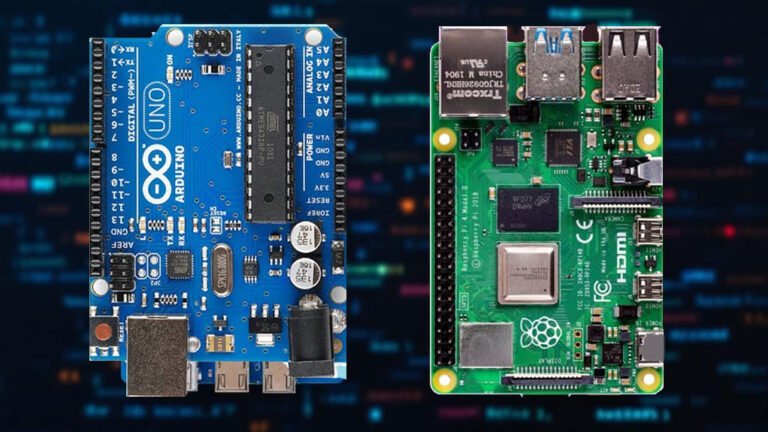
Arduino and Raspberry Pi offer unique strengths for makers and DIY enthusiasts. Discover the technical differences, cost factors, and ideal uses to help you choose the best fit for robotics, IoT, and other projects.
Learn how to build a custom DVR using a Raspberry Pi, install necessary software, and set up remote access for easy video recording and streaming. Dive into the details here.
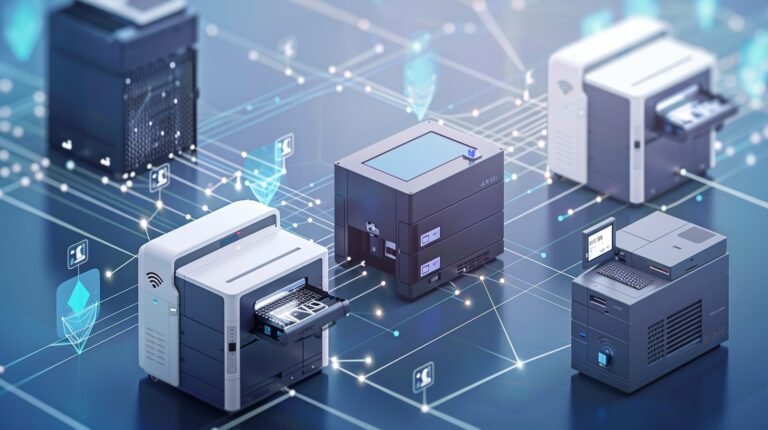
Learn how to configure a Raspberry Pi as a print server for sharing USB or Wi-Fi printers across your home or office network. Simple setup with CUPS and Samba.
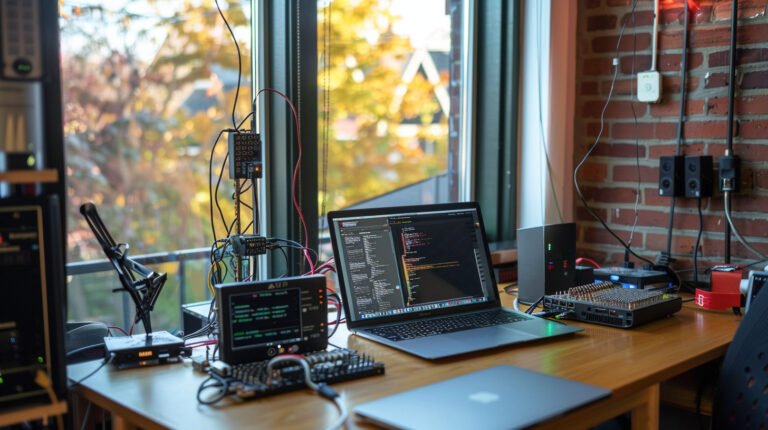
Introduction Integrating GPS functionality with a Raspberry Pi opens up exciting possibilities for creating location-based applications. Whether you’re building a vehicle tracking system, an outdoor navigation tool, or a simple GPS logger, the combination of Raspberry Pi and GPS offers a flexible and cost-effective solution. By connecting a GPS module, such as the NEO-6M or…
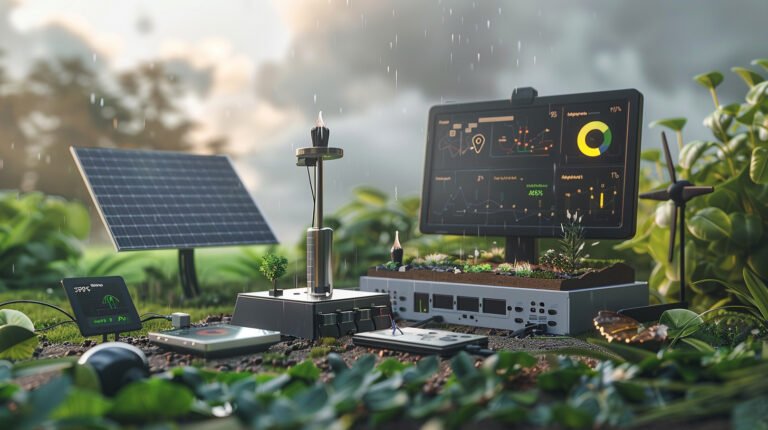
A Raspberry Pi weather station is one of those projects that starts simple and expands as far as you want to take it. Wire up a temperature sensor, write twenty lines of Python, and you have local readings in minutes. Add a pressure sensor, a rain gauge, a web dashboard, and cloud logging, and you…